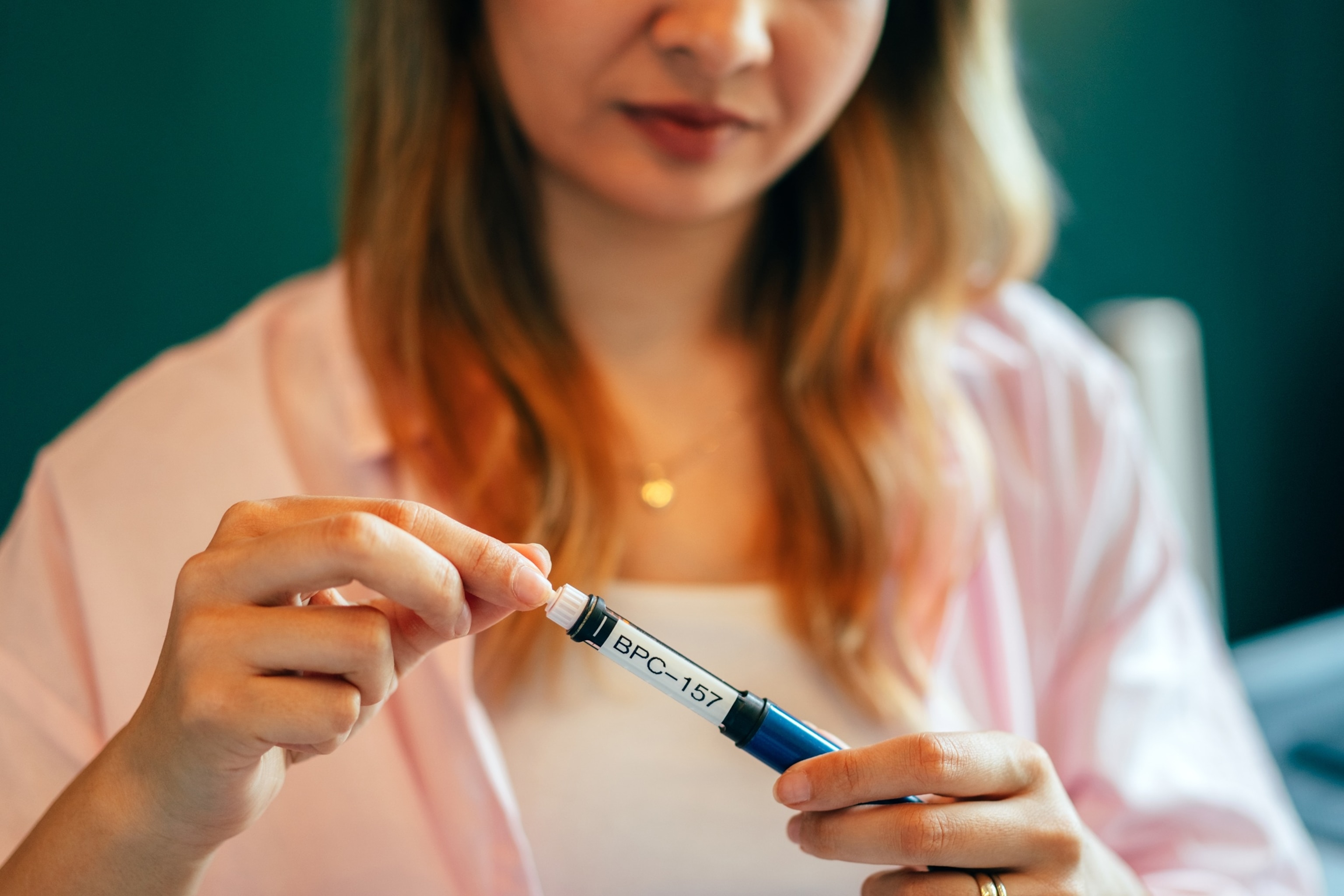
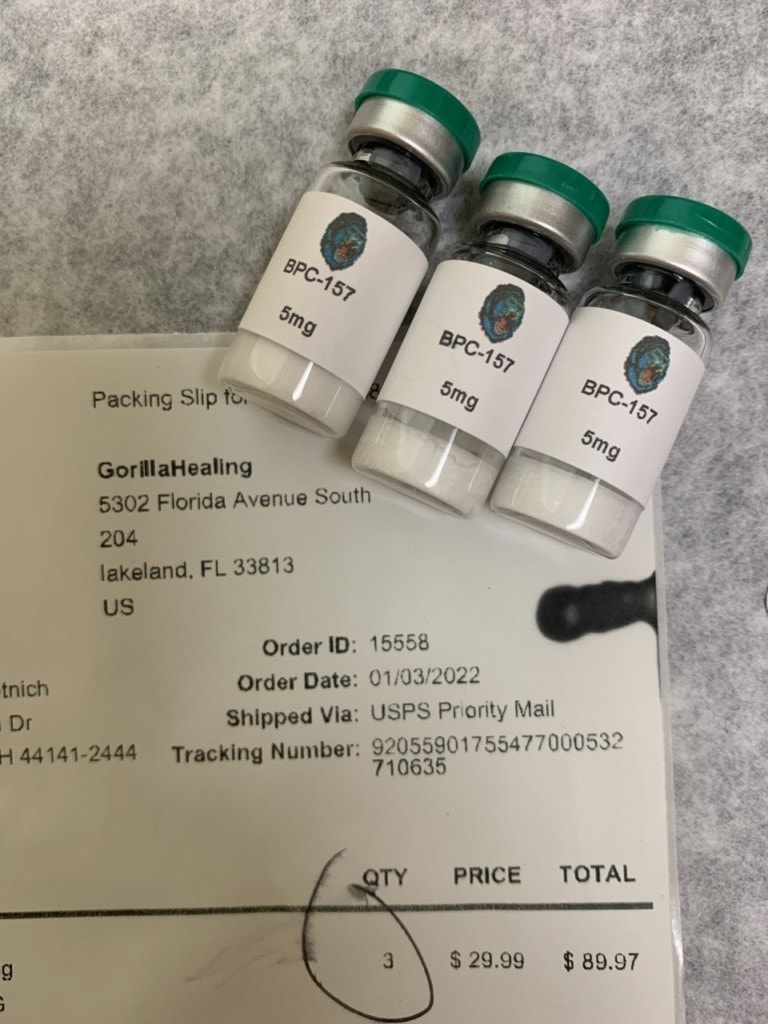
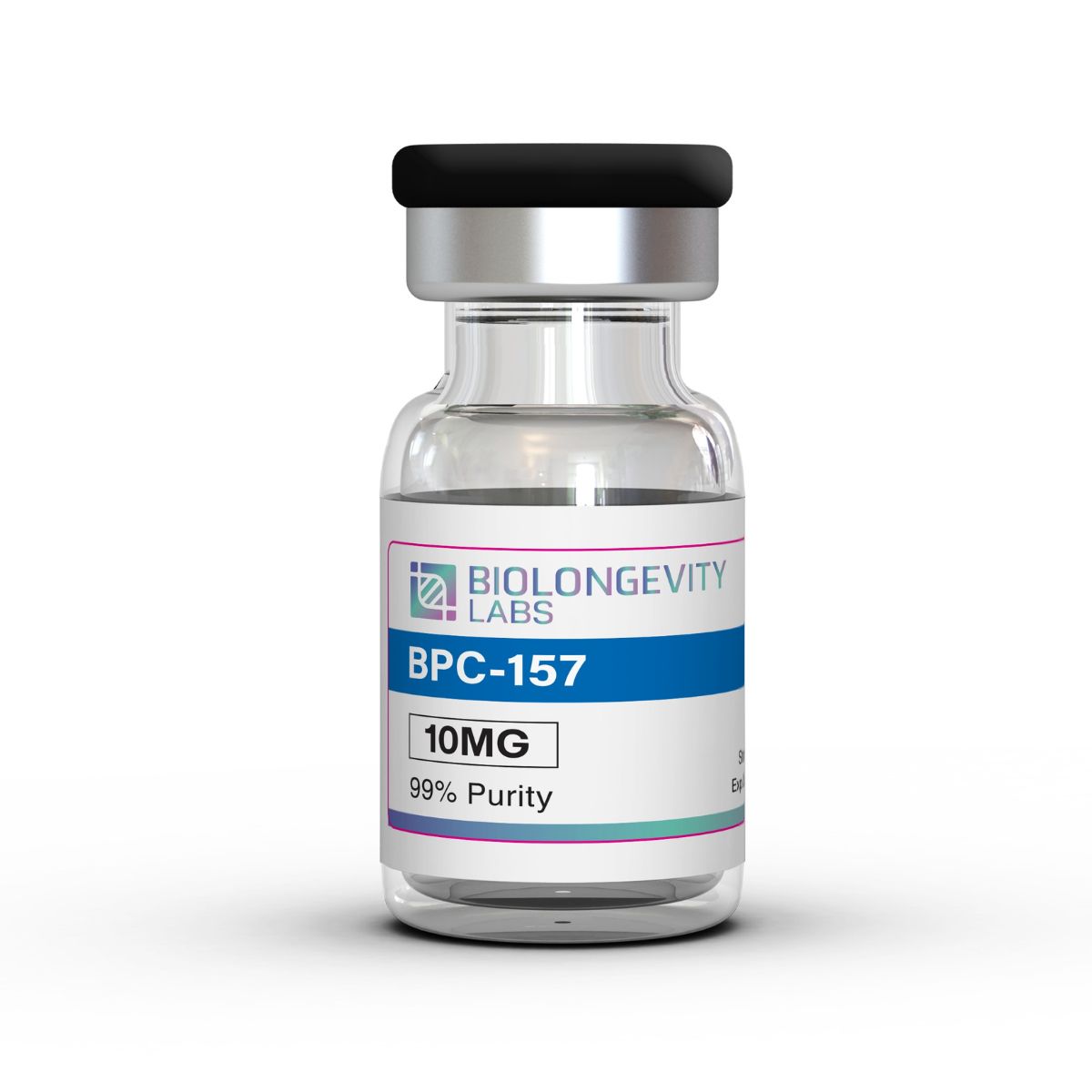
Its a regenerative peptide that promotes healing, reduces inflammation, and improves gut health
Shedding reductions of 25-30% are commonly reported
Laryngoscope 112(10):1883-7, 2002
This creates a concentration of 23.33mg/mL
Massaging the area may help, but in some cases, additional fat grafting or surgical correction may be required

Researchers tracking peptide clinical trial news should note these ongoing studies: NAFLD/NASH Research The most significant ongoing research involves tesamorelin NAFLD (nonalcoholic fatty liver disease) studies: Rationale: Tesamorelin's documented reduction of visceral adipose tissue may benefit hepatic fat accumulation Key studies: Multiple trials have evaluated tesamorelin's effects on liver fat content in HIV and non-HIV populations Published findings (2024-2025): Studies in JAMA Internal Medicine and Hepatology have documented reductions in hepatic fat fraction Latest tesamorelin research 2025-2026: Recent studies from 2024-2026 continue to evaluate hepatic fat reduction in non-HIV NAFLD/MASH populations, with new analyses examining long-term durability of VAT reduction Cognitive Function Studies Research has explored tesamorelin's effects on cognitive function, particularly in HIV patients where cognitive impairment is common: GH/IGF-1 axis involvement in neuroprotection Studies examining memory and executive function outcomes Ongoing investigation of mechanisms beyond metabolic effects Body Composition Research As a tesamorelin growth hormone analog, research continues into body composition effects: Trunk fat reduction Lipid profile improvements Metabolic marker changes ClinicalTrials.gov Listings Researchers can search ClinicalTrials.gov for "tesamorelin" to find current and completed studies