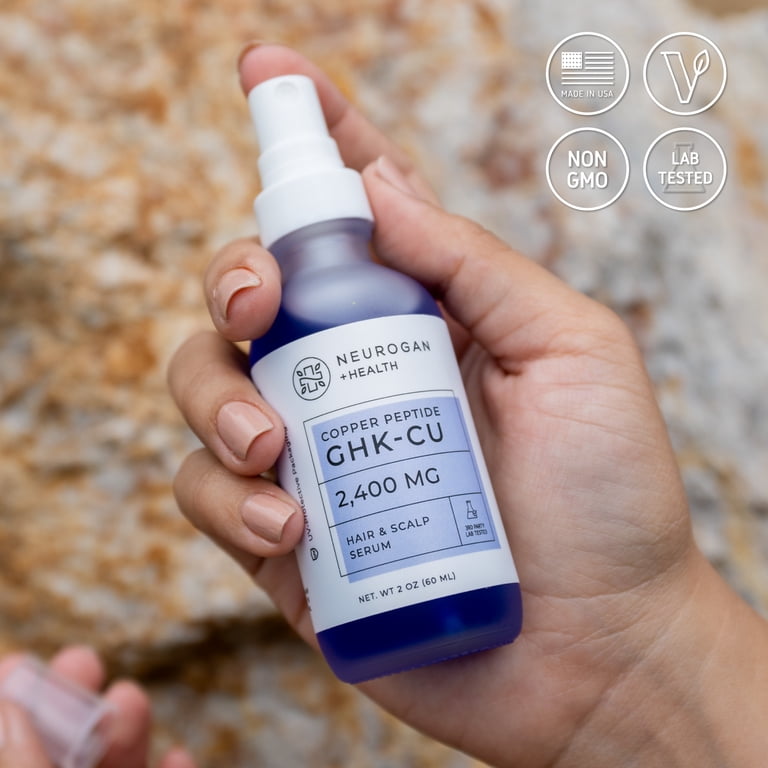
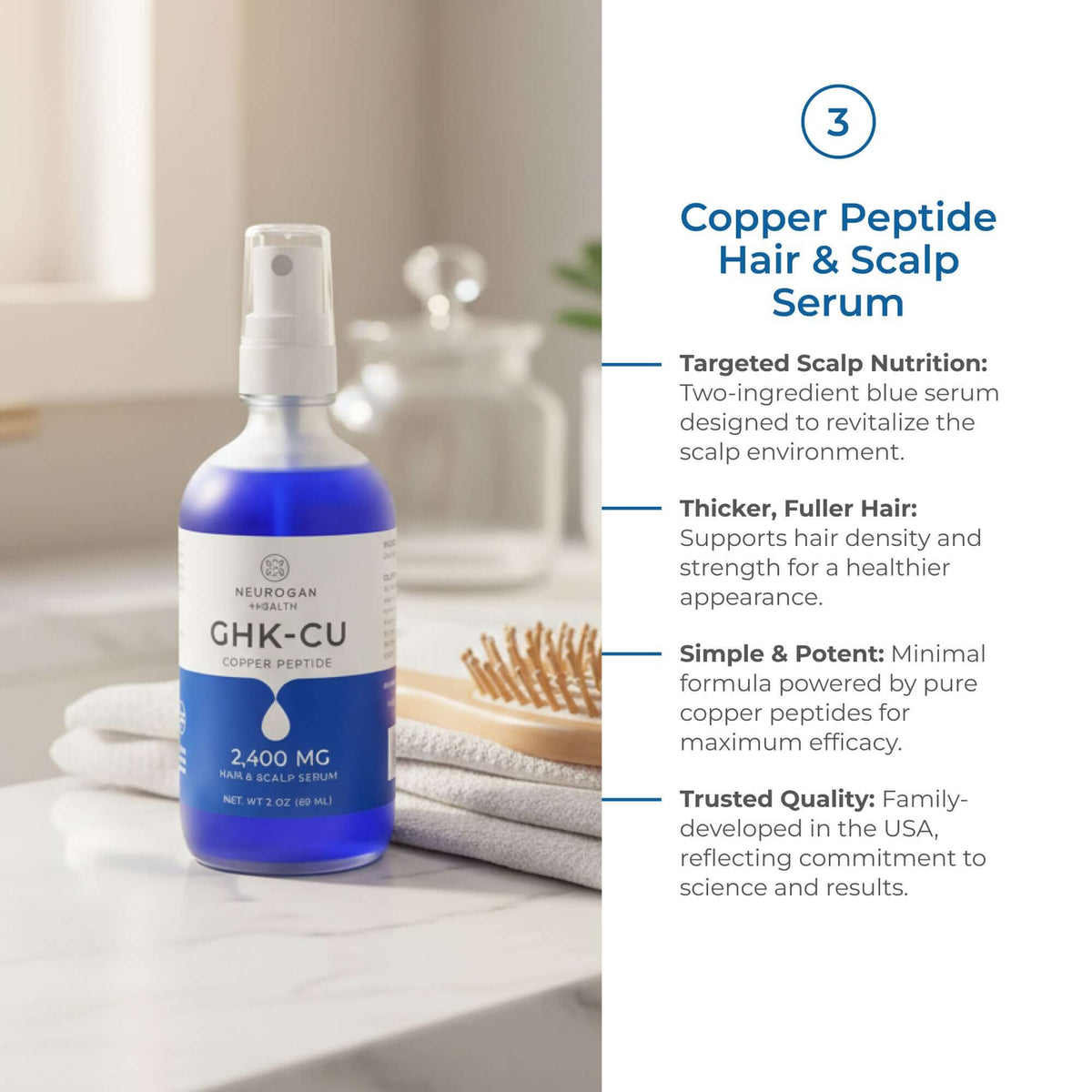
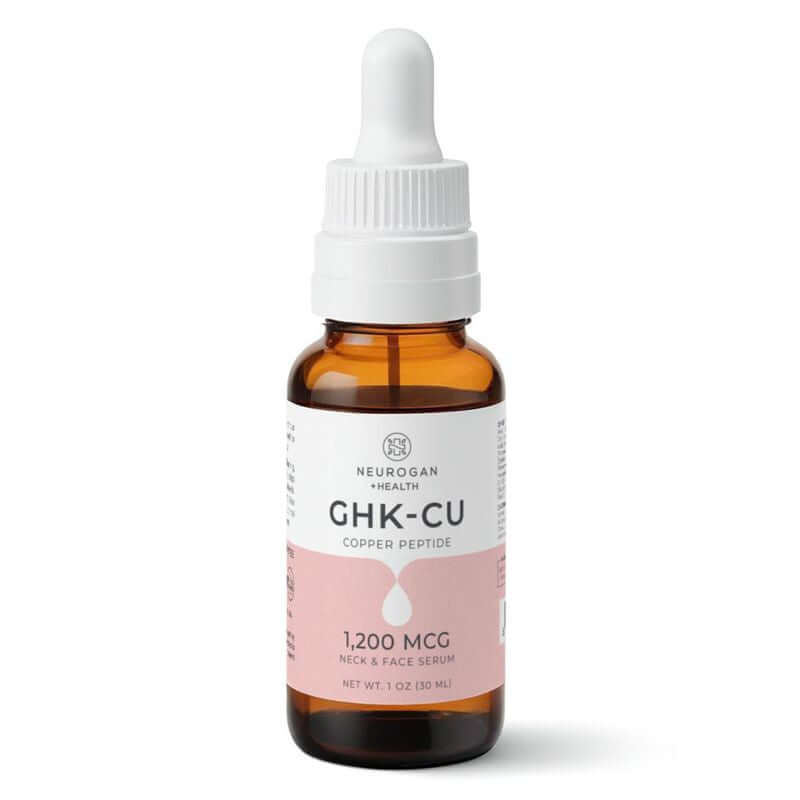
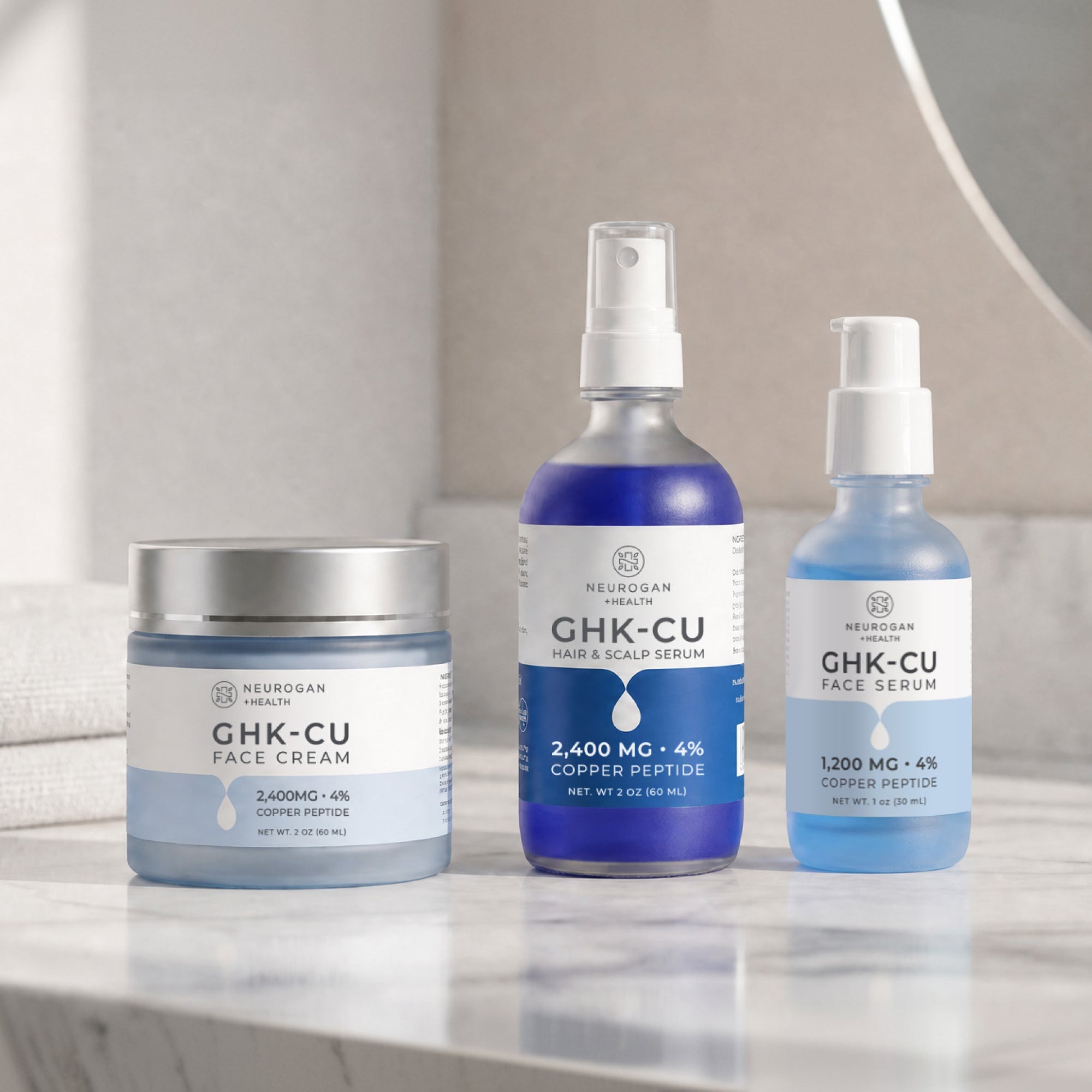
GHK-Cu is the copper-bound form commonly used in copper peptide skincare and beauty-support products
There is less information on effectively targeting NF-B signaling to reduce transplant rejection, as current alternatives to broad immunosuppressive treatments often affect multiple immune cells
You can save money and achieve better results by adding GHK copper peptide to your favorite existing product or incorporating it into a homemade recipe

Macromolecule Content Total Structure Weight: 525.75 kDa Atom Count: 34,893 Modeled Residue Count: 4,474 Deposited Residue Count: 4,824 Unique protein chains: 1 Experimental Data Method: X-RAY DIFFRACTION Resolution: 2.70 R-Value Free: 0.226 (Depositor), 0.227 (DCC) R-Value Work: 0.207 (Depositor), 0.208 (DCC) R-Value Observed: 0.208 (Depositor) Unit Cell : Software Package: Revision History (Full details and data files) Version 1.0: 2020-05-27 Type: Initial release Version 2.0: 2020-07-29 Type: Remediation Reason: Carbohydrate remediation Changes: Advisory, Atomic model, Data collection, Derived calculations, Structure summary Version 3.0: 2020-12-09 Type: Coordinate replacement Reason: Atomic clashes Changes: Advisory, Atomic model, Data collection, Database references, Derived calculations, Non-polymer description, Refinement description, Structure summary Version 3.1: 2020-12-16 Changes: Database references Version 3.2: 2024-05-15 Changes: Data collection, Database references, Refinement description

It is not designed for that purpose, and positioning it as a weight loss peptide would be clinically inaccurate
Abstract Background: Hair loss is a significant dermatological condition and hair regeneration depends on orderly cycle of hair follicle activity