Moreover, the glucagon/T3 conjugate effect is supported by the uncoupling protein 1-mediated thermogenesis, enhanced FGF21 secretion and biased by PGC-1 cofactor signaling
We read all the clinical studies so you dont have to

Water types comparison: Bacteriostatic Water (RECOMMENDED): Contains 0.9% benzyl alcohol preservative, multi-use safe, prevents contamination, stable for 28 days after first puncture Sterile Water: No preservative, single-use only, risk of contamination with multiple punctures, not recommended for peptides Tap Water (NEVER USE): Contains impurities, minerals, chlorine, bacteria - will destroy peptides and cause contamination Distilled/Boiled Water (NOT RECOMMENDED): Not sterile, lacks antimicrobial properties, risk of bacterial growth Use this simple formula to calculate dosage: Concentration = Total mg in vial Total ml of water added Example calculation: You have: 5mg BPC-157 vial You add: 2ml bacteriostatic water Concentration: 5mg 2ml = 2.5mg/ml If your dose is 250mcg (0.25mg): 0.25mg 2.5mg/ml = 0.1ml (10 units on insulin syringe) Common reconstitution volumes: 2mg vial + 2ml water = 1mg/ml concentration 5mg vial + 2ml water = 2.5mg/ml concentration 10mg vial + 2ml water = 5mg/ml concentration Tip: Use our online peptide calculators or create a dosing chart when you reconstitute to avoid calculation errors

Third, it stimulates glucose-dependent insulin secretion from pancreatic beta cells while suppressing inappropriate glucagon release improving glycemic control without significant hypoglycemia risk
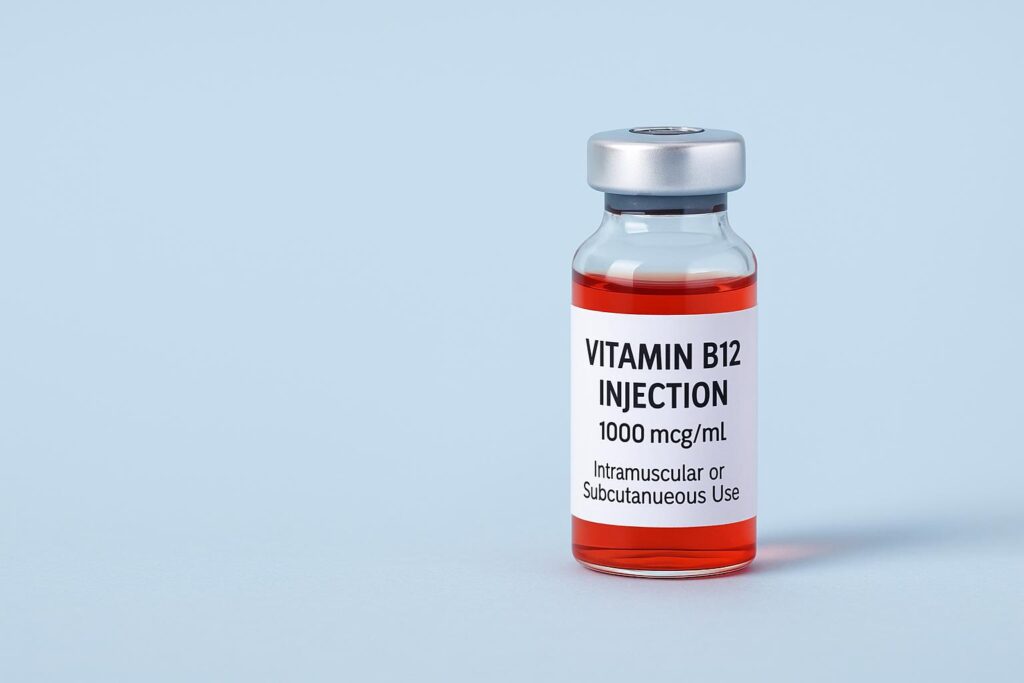
The solution should be light red, without visible particles, cloudiness, or discoloration
Neither compound in this blend carries approval for human or veterinary use