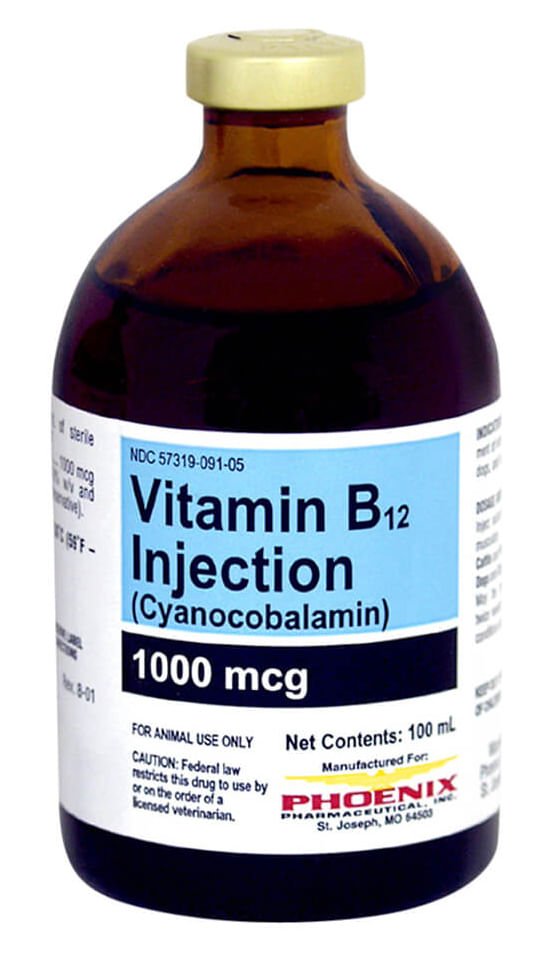
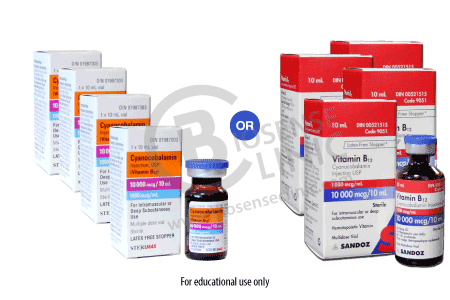
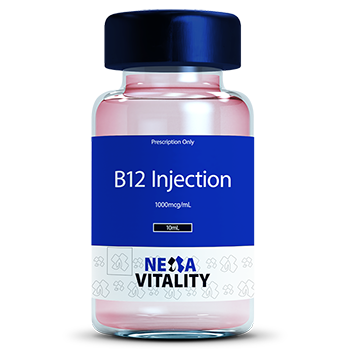
The vial is in the fridge
B12 pairs well with B-complex blends, Vitamin C, and hydration fluids for a broader wellness boost.
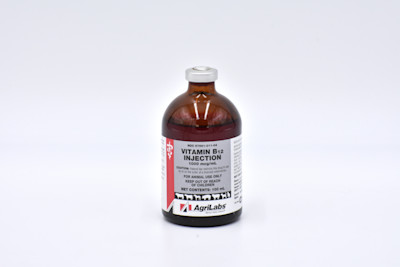
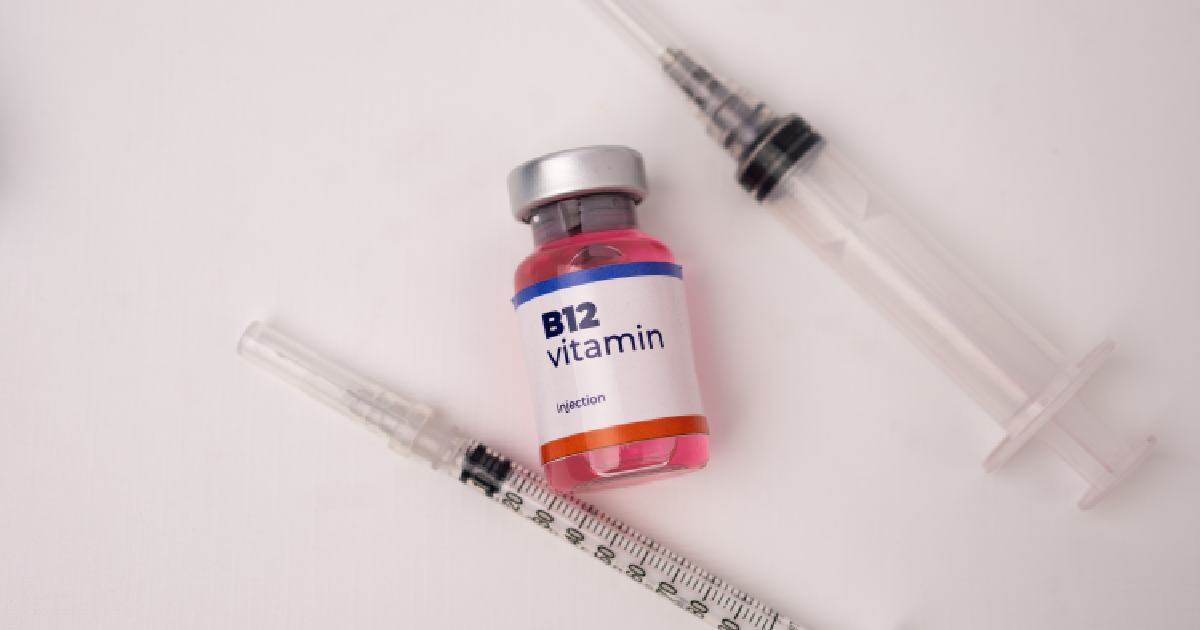
The Absorption Challenge The natural absorption of B12 involves a complex process: B12 from food binds to proteins and must be released by stomach acid It then attaches to intrinsic factor (a protein produced in the stomach) This complex travels to the small intestine where B12 is absorbed Finally, it enters the bloodstream for transport to cells This intricate pathway can be disrupted by numerous factors, including: Age-related decrease in stomach acid production Certain medications including proton pump inhibitors and metformin Gastrointestinal conditions like Crohn's disease Vegetarian or vegan diets with limited B12 sources Gastric bypass or other digestive surgeries Pernicious anaemia (autoimmune condition affecting intrinsic factor) The Injection Advantage B12 injections circumvent these potential absorption barriers by: Delivering B12 directly into muscle tissue Allowing immediate uptake into the bloodstream Bypassing the need for intrinsic factor and digestive processing Achieving higher blood concentrations than possible with oral supplements Providing 100% bioavailability regardless of digestive health This direct-delivery method explains why many people experience more noticeable benefits from injections compared to oral supplements
To directly test whether specific lipid species liberated by HSL causally mediate macrophage function, we performed an add-back experiment
Am J Lifestyle Med
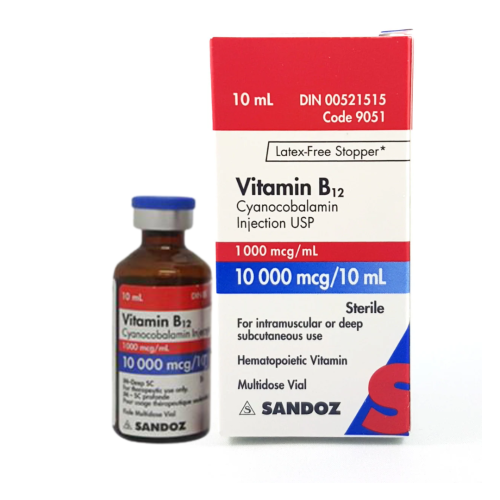
Suitable for all levels - no prior injecting experience required Theory Covers What Vitamin B12 is and how it functions in the body Signs and symptoms of B12 deficiency Benefits of intramuscular injection vs oral supplementation Types of B12: Methylcobalamin vs Hydroxocobalamin Injection sites: deltoid, gluteal and subcutaneous options Needle selection, syringe handling and sharps safety Client consultation and medical history screening Contraindications and when not to treat Dosage guidelines and treatment frequency Anaphylaxis awareness and emergency procedures Health, safety and infection control Legal and professional scope of practice Consent, documentation and insurance Practical Session Covers Full client consultation in a clinical setting Preparing the injection site and maintaining a sterile field Correct intramuscular injection technique Supervised administration on a model Post-treatment observation and aftercare Sharps disposal and clinic hygiene protocols One-to-one guidance throughout What's Included All products, needles and equipment on the day Anaphylaxis guidance and emergency protocol reference material CPD-accredited certificate on completion Post-course support Accreditation Outcome Accredited CPD certificate of completion