DSIP exhibits an unusual property among neuropeptides in that it appears relatively stable in plasma despite its small size, a characteristic researchers have attributed to possible circulating binding proteins

Adjusting Your Dose Increase if +You've been at the current dose for 2+ weeks with minimal improvement +Sleep quality improved initially but has plateaued +No side effects at current dose and you want better results +Your healthcare provider recommends escalation Decrease if -You experience morning grogginess or headaches -Sleep becomes too deep and you have trouble waking to alarms -Vivid dreams become disturbing rather than pleasant -Any uncomfortable side effects persist Signs of right dose Falling asleep within 20-30 minutes of lying down Sleeping through the night with minimal waking Waking feeling refreshed without an alarm Improved daytime energy and mental clarity Dosing Calculator Calculate Your Exact Dose Step 1: Peptide Weight Find the weight printed on your peptide vial label Look here

Components of the BBB The structure of the BBB comprises a monolayer of capillary endothelial cells supported by pericytes and astrocytes, together called the neurovascular unit (NVU) (Daneman and Prat, 2015
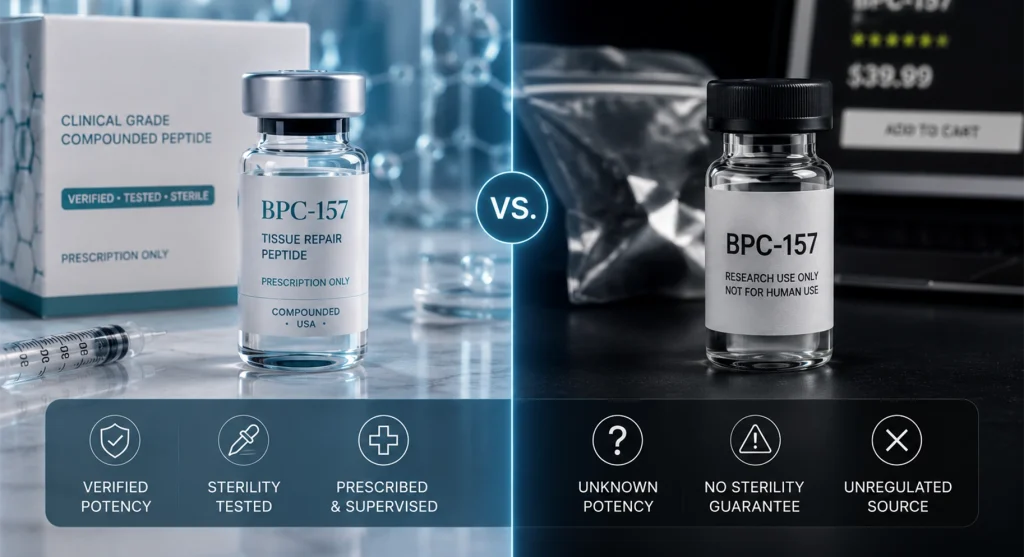
Pharmacy-Grade Products Only All peptides are obtained from FDA-registered 503A/503B compounding pharmacies, ensuring purity and safety
This systemic anti-inflammatory effect is one reason why researchers often report improvements in seemingly unrelated symptoms when using the peptide for a specific indication, experiencing reduced joint pain while treating a gut issue, for example, or improved recovery times while treating a specific injury
More recent DSIP research has been largely preclinical, mechanistic (focused on how DSIP may work biologically rather than whether it produces proven benefits in humans), or exploratory rather than large-scale human outcome research [16][17]