With so many unreliable HGH sources out there, this is a great find
DNA repair mechanisms receive support
Czechia 99.7 % purity confirmed by COA Assay content verified at 11.48 mg Endotoxin level below 0.001 EU/mg No detectable heavy metals or microbial contamination High-purity AOD-9604 research peptide For research use only not for human or veterinary use For laboratory research only
Preclinical studies suggest involvement in: Angiogenesis Nitric oxide modulation Tendon and ligament repair Muscle regeneration Gastrointestinal protection Due to these findings, BPC-157 is often regarded in research circles as one of the most effective peptides for experimental tissue repair models
This review presents the anti-obesity properties of phytomolecules as a whole, but particularly focuses on Flavonoids, Phenolics, and Saponins, while at the same time looking into the mechanisms and pathways, they employ to combat obesity.[8] Currently, the methods used to prevent and treat overweight and obesity problems consist of changing lifestyle (dietary) habits, using anti-obesity medications, and performing surgical operations.[9] Nevertheless, though dietary modifications bring about only short-term results, a significant portion of the weight loss that occurs at the beginning is due to the elimination of glycogen and water, and the slowing down of the weight loss process in the long run.[10] Among various treatment modalities, pharmacological and surgical interventions have definitely made a mark, yet these are restricted due to various reasons like not being effective enough, safety concerns, and controversy about the benefits over a long period of time, just like the case of orlistat, which is a weight loss drug that you can buy without a prescription, but its adverse effects include digestive system irritation, liver and kidney damage, [11] reduced absorption of fat-soluble vitamins (A, D, E, and K).[12] On the other hand, most of the scientific research has shown that the incorporation of natural polyphenols such as flavonoids in the diet or through nutritional supplementation can be a safe and even more effective alternative for the treatment of obesity.[13] OVERVIEW OF PHYTOCHEMICALS IN OBESITY MANAGEMENT Phytochemicals are natural compounds that come from plants and are still among the most effective strategies for battling obesity due to their capacity to control crucial metabolic pathways like those of fats, energy, and appetites, along with the inflammatory signaling
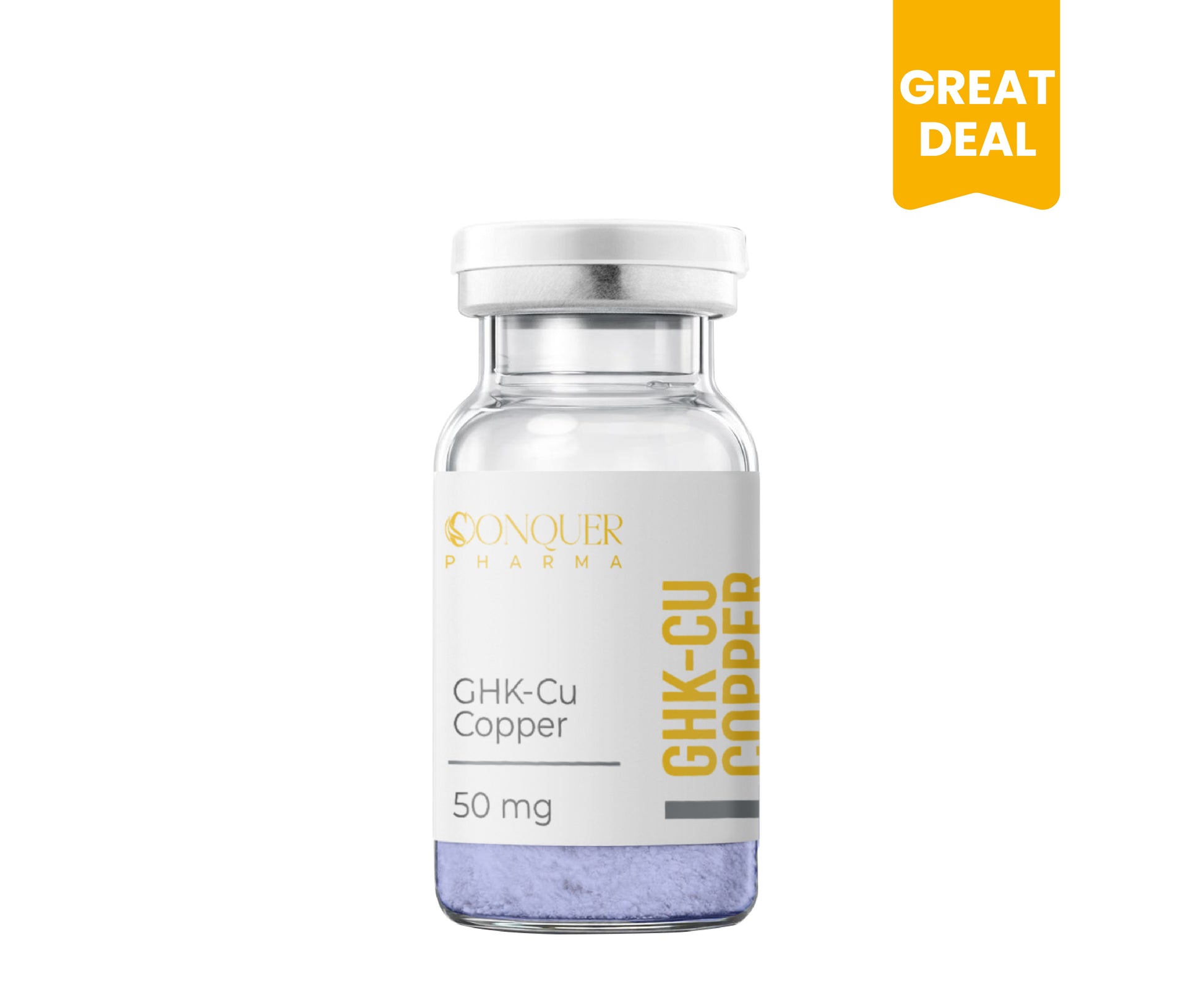
The FDA identifies significant risks including lack of human safety data, potential for adverse immune reactions, and insufficient evidence regarding long-term effects, with the agency authorized to take enforcement action against compounding pharmacies that produce these substances for clinical applications