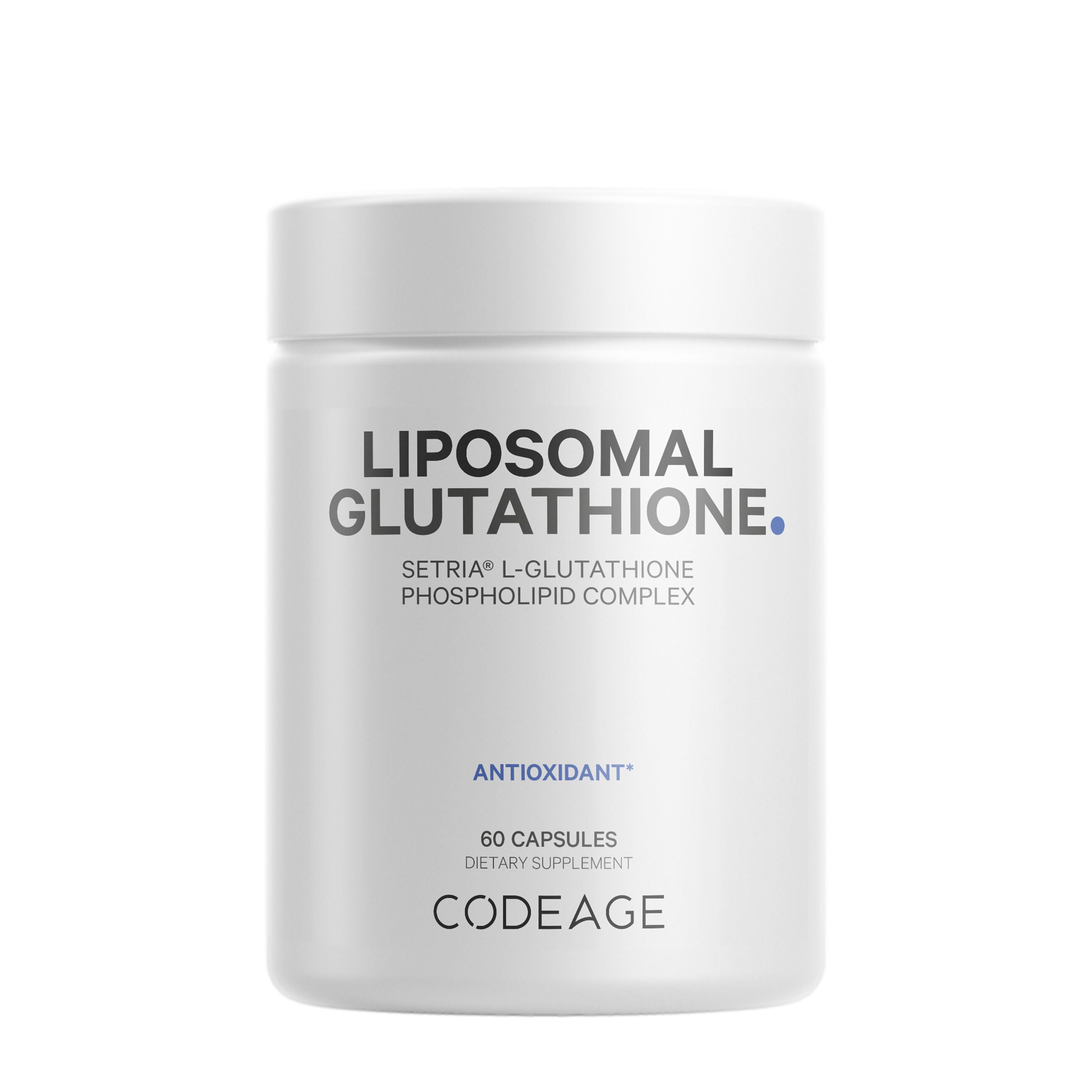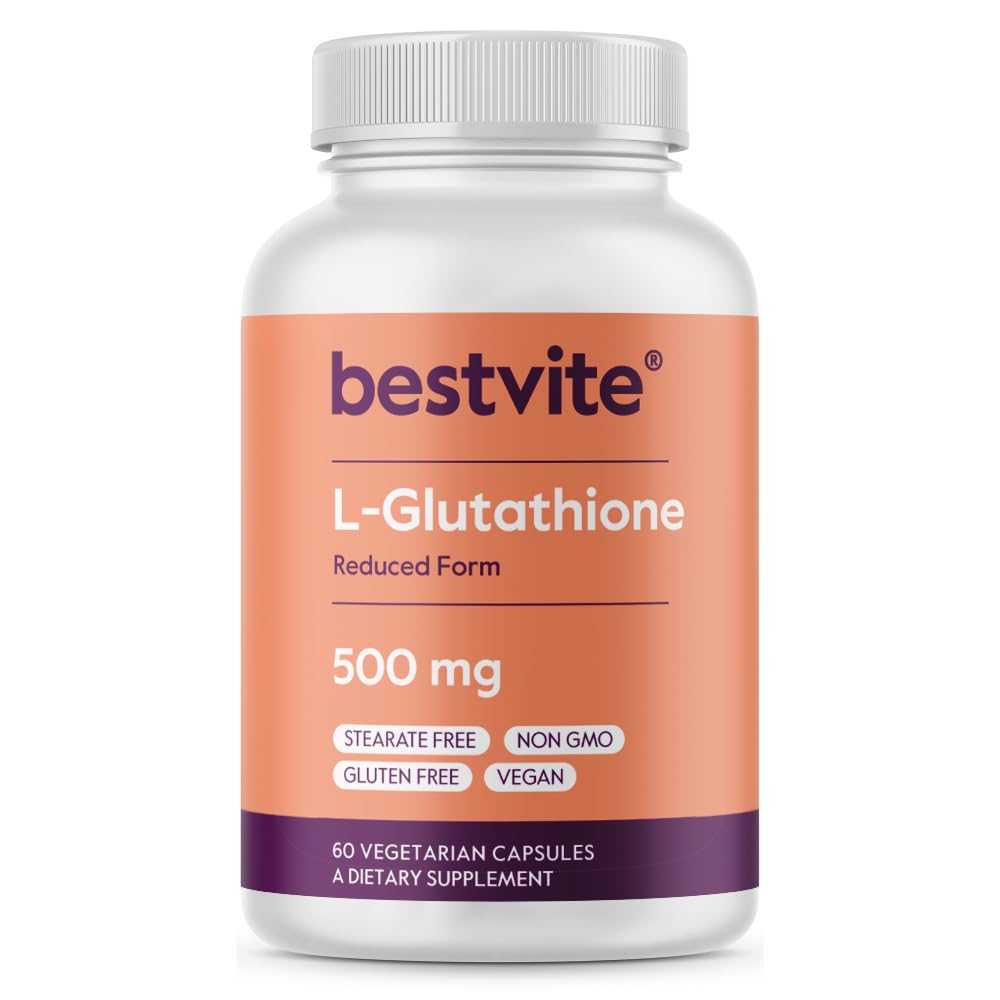
Its ability to regulate inflammation and activate tissue remodeling pathways makes it valuable in dermatological and regenerative skin-focused programs
Limitations Substantial heterogeneity was observed between studies in brain and blood GSH in AD and MCI
S-fruitbody bacterial community was specifically enriched with amino acid catabolic pathways, and S-fruitbody-specific Pseudomonas pt 97.28 rapidly utilized amino acids such as L-arginine, L-ornithine, and L-histidine, as well as D-trehalose

Like other types of animal protein, collagen contains a type of amino acid called hydroxyproline ( Hydroxyproline is converted into oxalate in your body, which may increase levels of oxalate excretion in urine ( In one older study, consuming 30 grams of gelatin derived from collagen increased urinary oxalate excretion by 43% after 24 hours compared with a control group ( Several animal studies also show that consuming high amounts of hydroxyproline could increase oxalate levels in the urine, and therefore, may harm kidney health ( Other test-tube and animal studies suggest that these effects could be amplified in those with primary hyperoxaluria, a genetic disorder that affects oxalate metabolism and increases the risk of recurrent kidney stones ( However, keep in mind that most of these studies used concentrated amounts of hydroxyproline
10.1248/bpb.b20-00409 Biol
Some people may experience mild discomfort, while others may have severe pain that interferes with daily activities