Dilute shots with additional 30-90 units bacteriostatic water Mix with BPC-157, which reportedly reduces injection discomfort Rotate injection sites consistently to never use the same spot consecutively Apply gentle pressure without rubbing after injection Use proper subcutaneous technique at 45-90 degree angle No documented copper toxicity has occurred at recommended doses
View large image and text description Some characteristics of counties with higher opioid prescribing: Small cities or large towns Higher percent of white residents More dentists and primary care physicians More people who are uninsured or unemployed More people who have diabetes, arthritis, or disability Higher opioid prescribing puts patients at risk for addiction and overdose
p53-pS15 combined with FOXO4 in the nucleus of senescent cells inhibits p53 into the cytoplasm to mediate apoptosis and halt the cell cycle 9,11
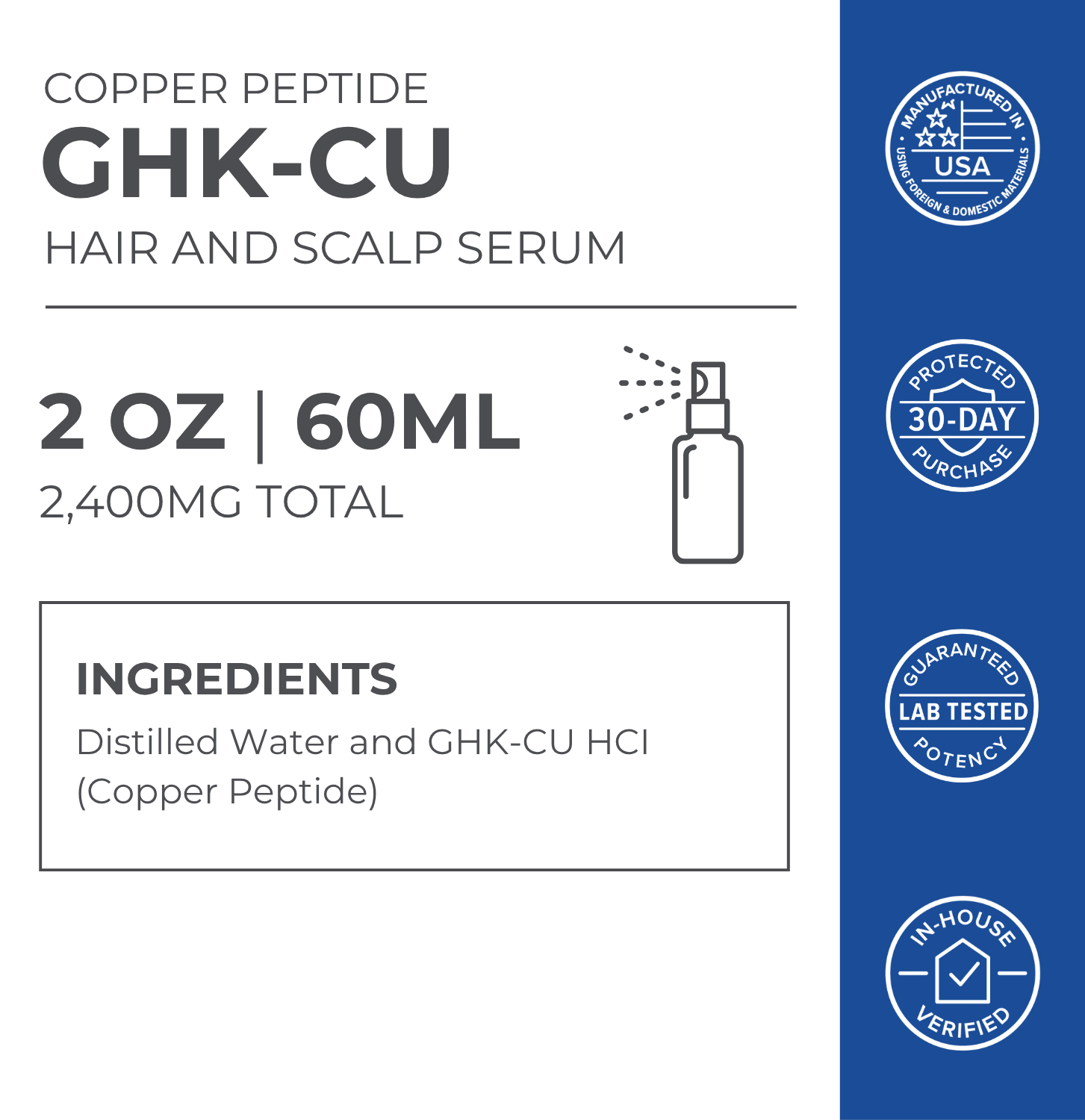
Key Features Research-grade GHK-CU supplied in a nasal solution format 1mg/mL concentration ensuring precise dosing for experimental protocols 30mL volume suitable for multiple laboratory assays Batch-controlled quality with documentation for reproducibility Storage recommendations to preserve compound stability Strictly for non-clinical, research use only Related Research Areas GHK-CU is often studied alongside other copper-binding peptides and research peptides within the broader category of biochemical modulators
Using a small cooler with an ice pack is essential
The peptide enhances ATP production in the heart, improving energy balance and function, which is crucial in cardiovascular disease research.[13][14] MTP-131 may also improve vascular health by reducing oxidative stress and enhancing vascular endothelial function, making it a promising peptide for vascular research and cardiac rehabilitation