- Generally well-tolerated
Foods high in sulfur include: Garlic Onions Cruciferous vegetables (broccoli, kale, Brussels sprouts, cauliflower, cabbage) High-antioxidant foods include: Low glycemic fruits, like berries, pomegranates, acai Citrus fruits like lemons, limes, and oranges Avocados Dark leafy greens, like spinach, collard greens Carrots Sweet potatoes Herbs and spices, like turmeric, ginger, oregano, thyme, clove, cinnamon, rosemary Herbal teas, like green tea and matcha Key Nutrients that Support Glutathione Production Glutathione production can be enhanced by getting several other key nutrients, including: Vitamin C and E help recycle and regenerate glutathione Selenium is required for glutathione synthesis
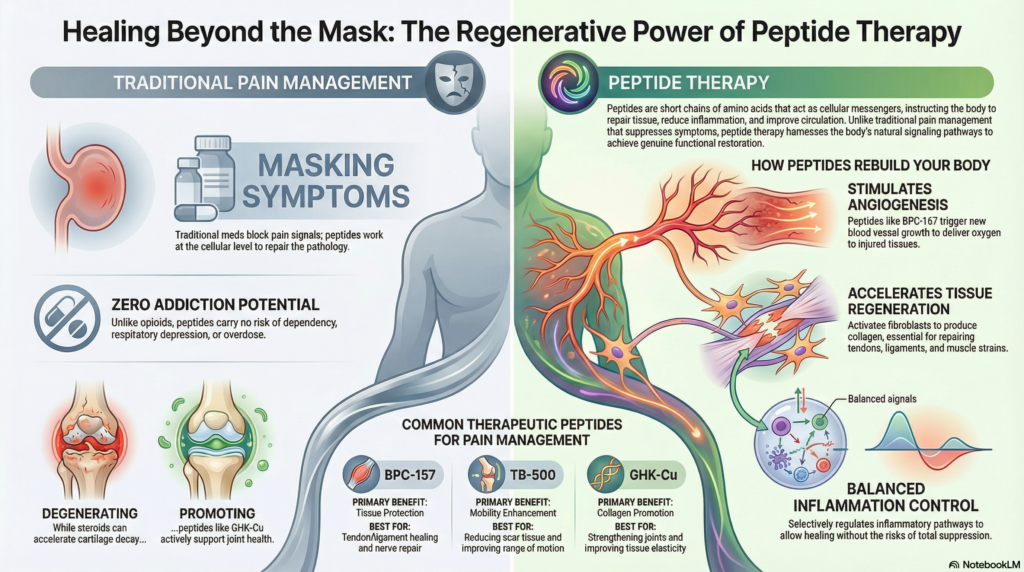
The potential therapeutic uses of BPC-157 are still under investigation with many preliminary and animal studies showing promising potential in supporting healing, recovery, and having a beneficial impact on the bodys inflammatory response
NRF2 supports non-small cell lung cancer growth independently of CBP/p300-enhanced glutathione synthesis
This peptide is generally considered safe when used appropriately, but like anything that goes into your body, its not entirely free from potential risks
Always consult your doctor or dietitian before making changes to your diet, supplements, or health management plan.