Acetaminophen in doses above 2g/day (saturates sulfation and glucuronidation, depletes glutathione catastrophically) R Alcohol (depletes glutathione, NAD+, SAM-e, and directly damages hepatocytes) R Charcoal-grilled meats (heterocyclic amines that undergo bioactivation via sulfation and acetylation, generating DNA-reactive intermediates) R Chronic NSAID use (competes for glucuronidation and amino acid conjugation pathways) Excess fructose (depletes ATP and drives uric acid production, impairing energy-dependent conjugation) R Glyphosate residues on non-organic produce (disrupts glycine metabolism and chelates manganese) R High-dose turmeric or quercetin without cycling (both inhibit SULT1A1 and can paradoxically impair sulfation at high sustained doses) R Processed foods with benzoate preservatives (benzoic acid consumes glycine through conjugation, depleting the glycine pool for other Phase II reactions) R Proton pump inhibitors chronically (reduce magnesium absorption, impair glucuronidation) R Testing These tests can help identify which conjugation pathways are impaired and what is contributing to the dysfunction
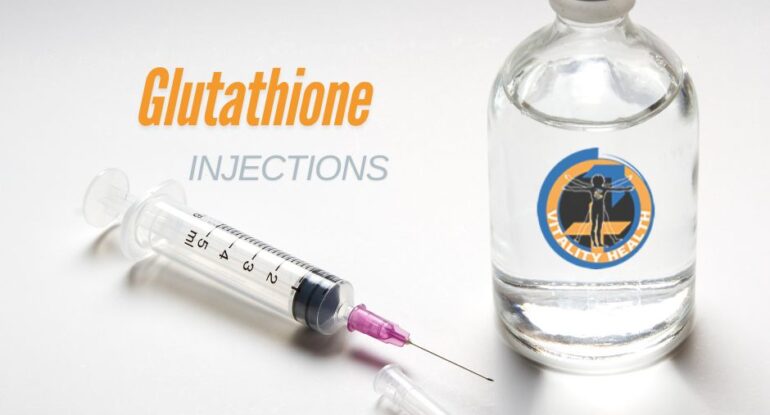
Note: As with any IV service, side effects can occur (e.g., bruising, discomfort at the IV site, lightheadedness, or allergic reaction)
GlyNAC (Glycine and N-Acetylcysteine) Supplementation in mice increases length of life by correcting glutathione deficiency, oxidative stress, mitochondrial dysfunction, abnormalities in mitophagy and nutrient sensing, and genomic damage
The defect was specific to the IL-12IFN- axis
Yabuuchi et al., 2008)
The equipment was attached to a channelizer, which was used to estimate the mean volume of cells in a particular cell population