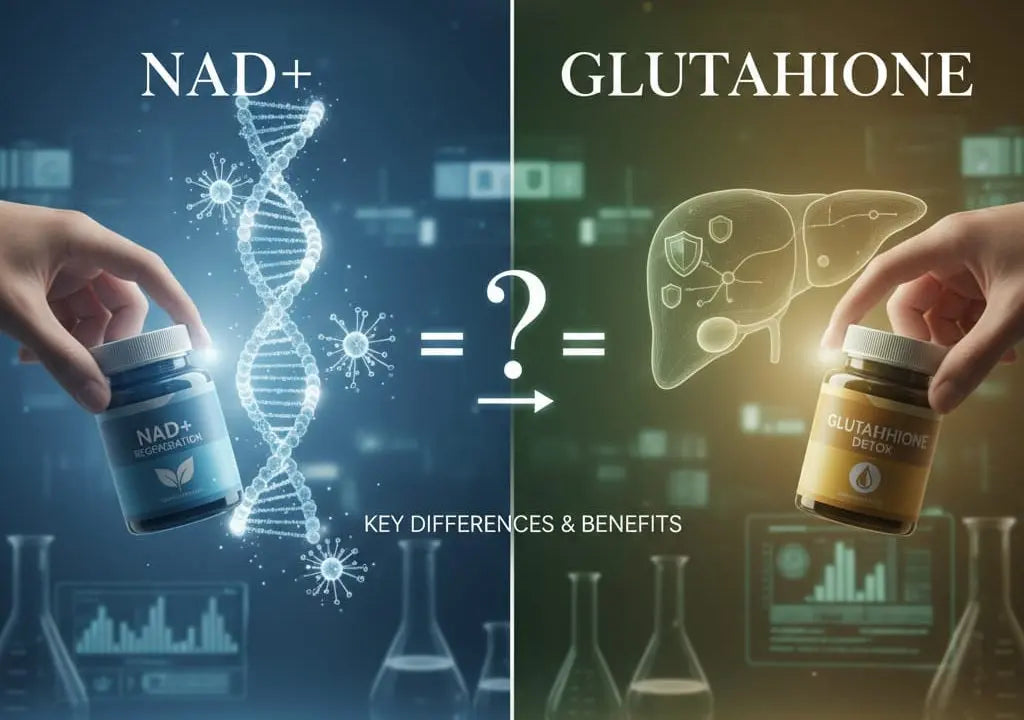
GHK-Cu focuses on structural skin improvements like collagen production and wound healing, while NAD+ targets cellular energy and DNA repair
Step #5: The extra solution may be safely refrigerated and accessed for up to 28 days after reconstitution
Filtration removes unpleasant tastes associated with organic matter, chemical treatments or metal plumbing
Ich wczenie da Ci dostp do penej funkcjonalnoci strony
In Pinealons case, the compound comes from a nootropic and neuroprotective polypeptide complex called Cortexin, whose neuropeptide fractions are derived from the brains of cows and pigs.3 Pinealons simpler, ultra-short structure may imbue it with higher stability, better tissue penetration, and a lower risk of hazardous immune responses than its more intricate polypeptide predecessor.4 Research suggests that Pinealons mechanism of action involves activating the gene expression and the synthesis of proteins associated with neuronal activity, as well as decreasing the intensity of neuronal cell death.5 More specifically, Pinealon is believed to enter cells and interact with DNA sequences, thereby influencing the activities of several key factors related to cellular and bodily processes

Matrixyl's mechanism is more targeted: Collagen signaling : The KTTKS sequence mimics a collagen breakdown fragment, signaling fibroblasts that collagen repair is needed Collagen types I and III : Stimulates production of the primary structural collagens in skin Fibronectin production : Enhances production of fibronectin, a key extracellular matrix glycoprotein Palmitoyl enhancement : The lipophilic palmitoyl chain improves skin penetration and receptor binding Mechanistic Comparison# Clinical Evidence Comparison# GHK-Cu Clinical Studies# GHK-Cu has multiple clinical studies supporting its anti-aging effects: Pickart facial study (67-71 women, 12 weeks) : GHK-Cu cream applied twice daily improved skin laxity, clarity, and firmness