These conditions typically include: Working under the direct supervision of a licensed professional, such as a physician, physician assistant, or nurse practitioner Working under the direct supervision of a licensed professional, such as a physician, physician assistant, or nurse practitioner Receiving appropriate training and competency evaluation Following all clinic, state, and federal safety protocols Medical assistants are often trained to administer: Medical assistants are often trained to administer: Intramuscular (IM) injections, such as vaccines Subcutaneous (SQ) injections, such as insulin Intradermal (ID) injections, such as TB tests These injections are part of routine patient care, and medical assistants are frequently the team members responsible for preparing and administering them once training is complete
Without this coupling the cell cannot pull itself forward
It is derived from a naturally occurring protein found in the stomach known as BPC
A SIRVA diagnosis can involve a medical professional: performing a physical examination and requesting a focused medical history, including history of vaccinations ordering magnetic resonance imaging (MRI), which can show the extent of damage to the tendons and muscles caused by SIRVA and help inform treatment possibly recommending medical imaging of your shoulder to get a definitive diagnosis of SIRVA SIRVA can be painful and even debilitating, but treatment is available
it is best to consult a doctor before starting your treatment regimen
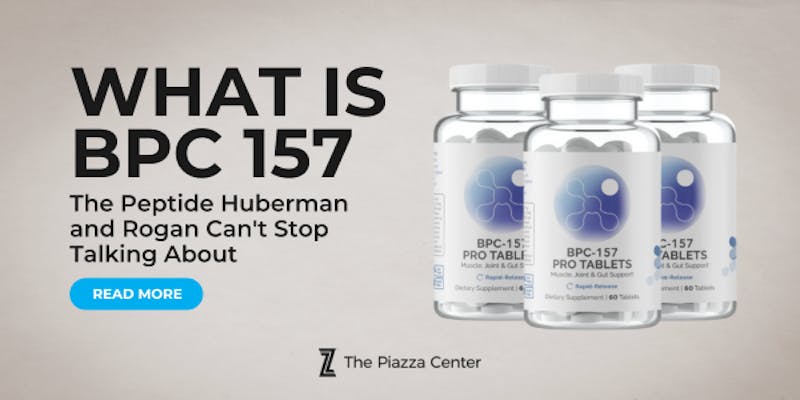
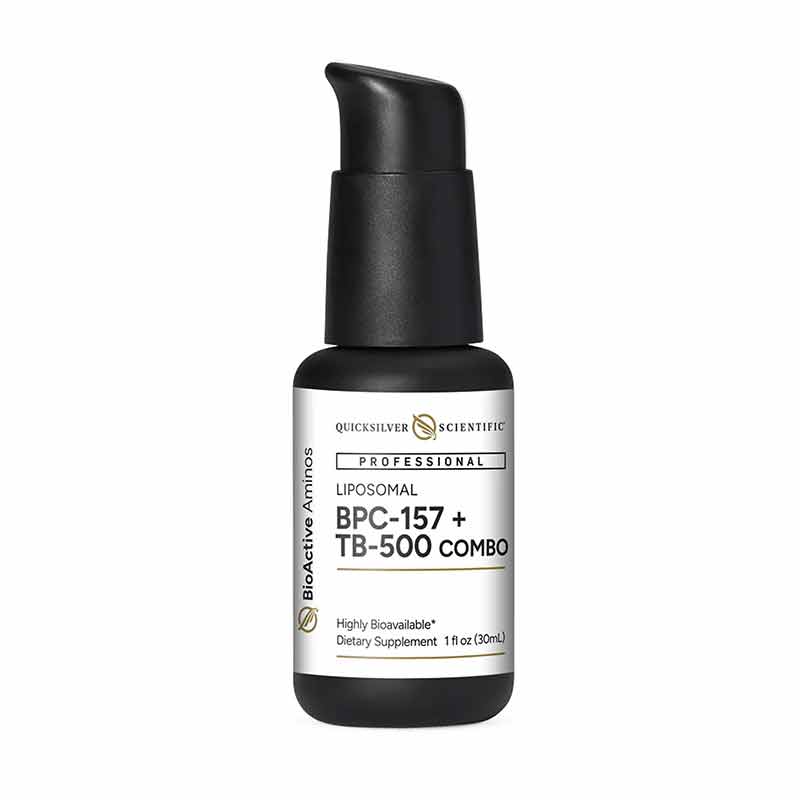
BPC 157 is a synthetic peptide with regenerative benefits that is derived from a protein found in human gastric juice